


Safaricom is working to keep its mobile money platform M-PESA at the core of Kenya’s digital payments even as more transactions move from consumer apps to backend software that businesses run.
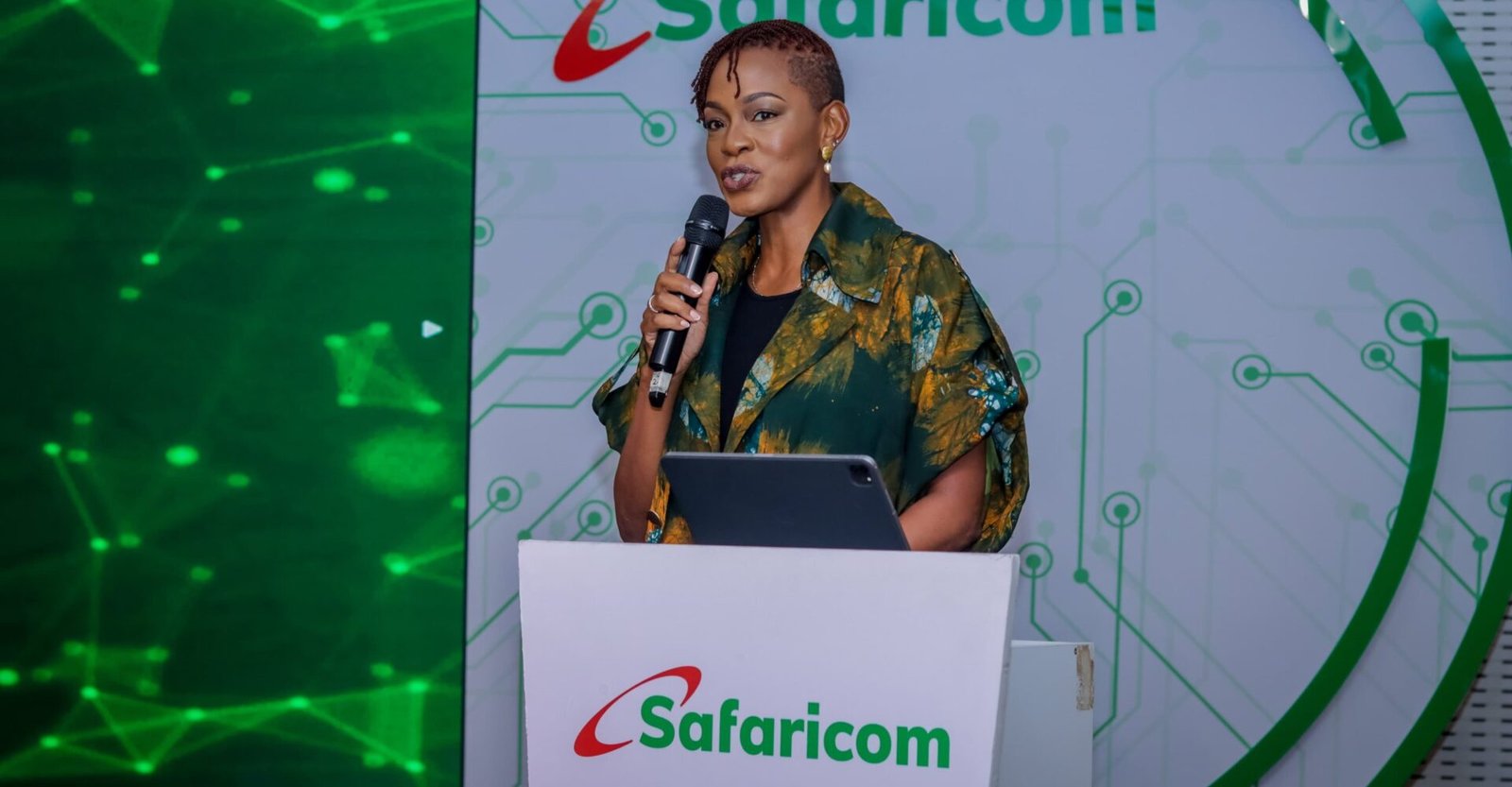
About 25% of all M-PESA transactions now move through application programming interfaces (API), according to figures shared by the company’s chief financial services officer, Esther Waititu, at an event in Nairobi on Tuesday. The figures show how deeply businesses have wired M-PESA into payments, credit, logistics and public services.
Daraja, the payments portal developers use to plug M-PESA into their systems, has now been fully upgraded to version 3.0 after a March announcement. Safaricom says the overhaul was in response to the shift toward API-driven transactions, with the new platform built for faster rollouts and smoother onboarding, which matters in a community where setup delays and friction have been common.
“Daraja 3.0 is a gateway to the next frontier of fintech,” Waititu said, framing the upgrade as part of a wider push to modernise M-PESA’s technical core.
The scale behind those changes sets the stakes, considering M-PESA processes over 100 million transactions a day and peaks at 6,000 transactions per second (TPS). Safaricom said the new platform can support up to 12,000 TPS, but will first hit a 10,000 milestone in January 2026. The Daraja ecosystem includes more than 66,000 integrations and over 105,000 developers.
Globally, payment APIs are growing at 17.5% a year, and Africa’s fintech market is projected to expand fivefold by 2028. Messaging APIs make up 36% of revenue in global marketplaces, according to figures from Safaricom.
Safaricom is promising more transparent governance and better support for integrators after years of complaints from developers about delays, documentation gaps, and inconsistent communication channels.
It is a clear sign that Safaricom no longer sits alone at the centre of M-PESA’s digital future. The 25% share of transactions moving through APIs shows how much of the system’s weight has shifted to developers, making them as critical to M-PESA’s growth as the telco’s own engineering teams.
That shift has exposed long-standing tensions, where integrators have complained for years about slow support, unclear processes and broken communication. Waititu acknowledged the strain, signalling plans for tighter governance and clearer escalation paths. The promise is that Daraja 3.0 will ease those points of friction and reset the relationship with the developers who now keep a growing part of the platform running.
“Just remember our invitation to build together, challenge us to be better and accelerate innovation,” Waititu said.







Comment here